Waukesha Top Painting Contractor for Interior Walls
Selecting the Best Painting Contractor: Advice for a Flawless Result
Picking a paint contractor can significantly affect the result of a job. It demands thoughtful assessment of multiple considerations, such as references, experience, and communication abilities. A carefully planned approach guarantees transparency and reduces potential problems. Understanding what to prioritize is important. With the right information, homeowners can arrive at educated conclusions that lead to a satisfying painting result. The following parts will detail key tips and strategies to handle this process successfully.
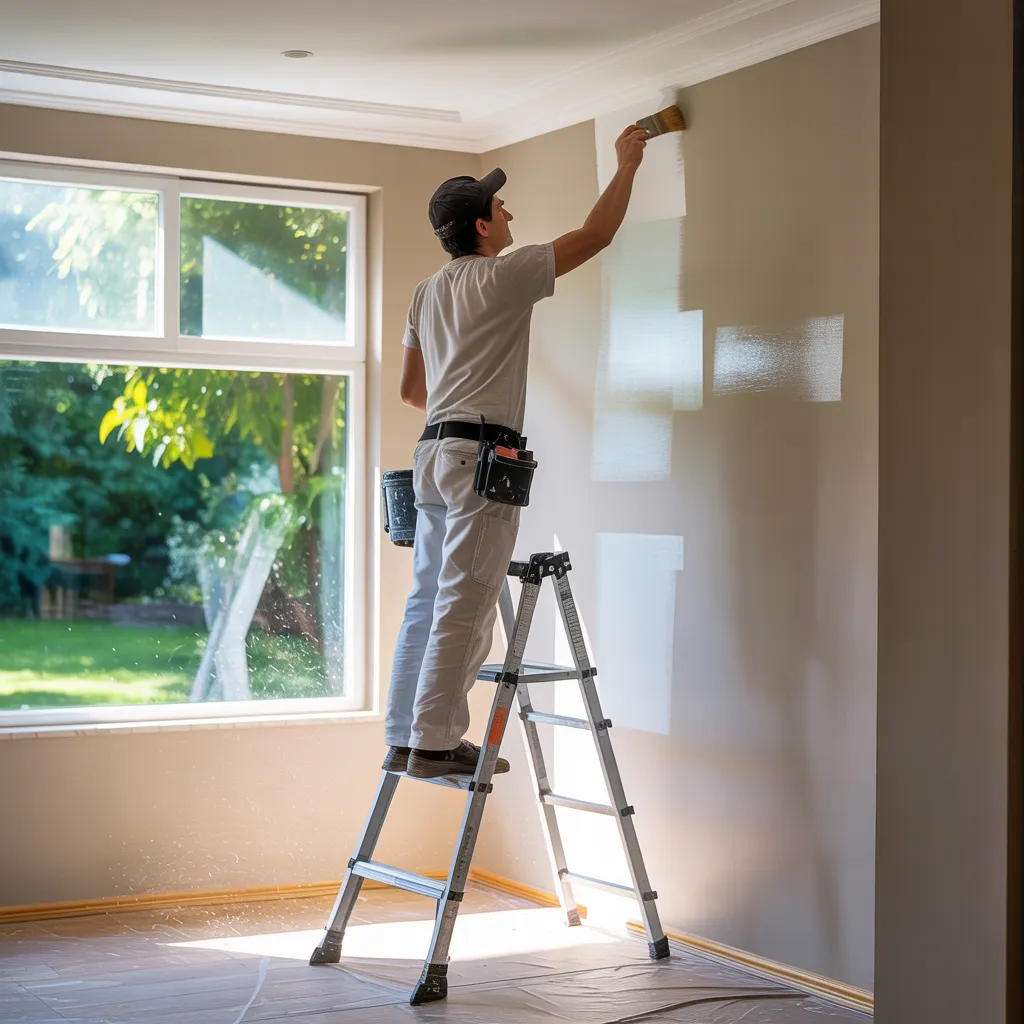
How to Judge a Painting Contractor's Experience
When evaluating a painting contractor's experience, how can one discern the genuinely skilled from the less qualified? Essential signs include the professional's time in the field and their portfolio of completed projects. A seasoned contractor usually maintains a diverse range of work, showcasing various techniques and styles, which indicates versatility and expertise. Additionally, recognizing the kinds of jobs they focus on—commercial, residential, or both—can shed light on their proficiency.
Another important aspect is the way contractors handle continuous learning and development. Keeping pace with industry trends and best practices demonstrates professionalism. Seeking out certifications or memberships in well-regarded professional organizations can further validate their experience. At its core, a complete evaluation involves not just the number of years operating, but also the range and caliber of completed projects, ensuring that the contractor can meet specific project needs effectively.
What to Consider When Reviewing References and Reviews
When assessing testimonials and feedback, it is crucial to check for consistency in the caliber of work provided by former clients. This consistency can suggest reliability and professionalism. Furthermore, reviewing the service provider's communication style through reviews can reveal details about their ability to respond and engage.
Ensure Consistency in Quality
Assessing references and reviews is essential for establishing a contractor's painting quality consistency. Potential customers should pay attention to recurring themes in reviews rather than individual remarks. Seek out consistent patterns in feedback—strong commendations regarding meticulous workmanship, timeliness, and overall workmanship indicate reliability. Moreover, consider the number of reviews; a painting specialist with a substantial volume of uniformly favorable reviews is generally more trustworthy than a contractor with limited reviews. Pay attention to any unfavorable feedback, especially those noting lack of proper communication or incomplete work. Lastly, seek references from the contractor personally and follow up with past clients to gain firsthand insights into their experiences. This detailed process helps guarantee that the chosen professional will deliver a satisfactory result.
Assess Communication Style
To what degree does a paint contractor communicate with clients? This aspect is essential when considering potential candidates. Clients should seek references that highlight the contractor's attentiveness and precision in communications. Feedback can indicate if the contractor promptly addresses questions or concerns, indicating a commitment to customer satisfaction. Furthermore, evaluate the contractor's capacity to describe procedures and schedules clearly. A skilled communicator keeps homeowners fully informed from start to finish. Seek reviews that reference detailed and accurate cost projectionsand clarity concerning products and pricing. Ultimately, effective communication fosters trust and guarantees a smoother project experience, making it an essential consideration when choosing the ideal painting professional.
Essential Points to Address When Hiring a Contractor
What key elements should someone keep in mind when selecting a painting contractor? Start by checking the contractor's credentials, including their licenses and insurance, to validate their legitimacy and provide protection from liabilities. Then, consider their level of experience and proficiency by seeking references and looking related article over completed projects. This helps gauge the quality of their work and reliability.
You should also make sure to talk about the variety of techniques and materials they plan to use, as this affects the appearance and durability of the completed project. In addition, find out about the project timeline, as having clear expectations can prevent potential misunderstandings.
Communication is critical; verify the contractor is approachable and willing to address concerns. Talk about any warranties or guarantees covering their services, as this gives you peace of mind regarding the standard of work. Lastly, go over the contract particulars, making certain all aspects of the project, including beginning and end dates, are clearly outlined in writing. Such conversations establish the foundation for a smooth and successful painting project.
Setting a Realistic Budget for Your Project
Establishing a practical budget for a painting project begins with determining the project scope, which details the exact areas designated for painting. Once the scope is established, it is important to factor in material costs, such as paint and supplies, alongside labor expenses for the contractor's work. This comprehensive method ensures that homeowners can manage their resources efficiently while preventing unforeseen financial strain.
Define Project Scope First
Determining the scope of the project is essential for a productive painting venture. This first step involves thoroughly establishing the sections requiring paint, the desired finish options, and any needed preliminary work. By defining these parameters, homeowners can gain greater insight into the total scope of the work, leading to more accurate estimates. A clearly established scope helps eliminate surprise alterations and supplementary fees during the execution of the work. Moreover, it enables effective communication with interested professionals, ensuring that all parties are aligned on project goals. Making the effort to outline the project scope initially can significantly improve the end product, encouraging a more organized approach and a higher quality finished product. Emphasizing this step early establishes the basis for a thoroughly managed painting job.
Include Material Costs
While determining the full financial plan for a painting project, homeowners and renovators must diligently account for material costs to maintain financial practicality. This covers the cost of paint, primers, brushes, rollers, and other necessary items such as drop cloths and painter's tape. It is essential to invest in quality materials, as they significantly affect the durability and appearance of the finished work. Homeowners should examine a range of brands and assess their price points to identify the ideal ratio of quality to price. Additionally, accounting for the complete surface area requiring paint will aid in determining the appropriate amount of paint and supplies, circumventing unanticipated charges. Budgeting for contingencies, such as additional paint for corrections, can also result in a more reliable budget estimate.
Incorporate Labor Costs
Proper budget planning for a painting project demands close attention of labor costs, which can significantly impact the full project cost. Workforce expenditure generally makes up a significant portion of the total budget, so securing comprehensive quotes from contractors is essential. Painting specialists may price their services hourly or provide a flat rate based on the scope of work. It is advisable to find out the size of the crew and the anticipated timeframe, as these elements can impact total labor charges. Furthermore, understanding the service provider's background and skill level can help justify their rates. By including workforce costs into the cost estimate, homeowners can prevent unforeseen expenses and ensure more efficient project management, resulting in a perfect result.
What Questions Should You Ask Before Signing?
What essential questions should homeowners think about before entering into an agreement with a paint contractor? To begin, they should ask about the contractor's background and references. Learning about their past projects can give a clear picture of the reliability and quality of the contractor. Homeowners should also ask about the types of materials and paint brands chosen, as this affects the durability and finish of the project. Additionally, reviewing the project timeline is important; being aware of when the project begins and ends can help in planning. Homeowners should confirm the payment terms, including any deposits required and the final payment terms. To conclude, it's important to ask about warranties covering both workmanship and materials. These questions help guarantee that homeowners select a contractor who aligns with their expectations and requirements, laying the foundation for a successful painting experience.
How to Guarantee a Seamless Painting Experience With Your Contractor
Establishing clear communication is essential for ensuring a successful painting process with a contractor. Homeowners should communicate their expectations regarding scheduling, color choices, and specific project details. Frequent communication can aid in managing any emerging concerns and keep the project on track.
Preparation is another key aspect. Homeowners should confirm the work area is accessible and free of obstacles. Doing so allows the contractor to work more effectively and limits possible delays.
Additionally, it is recommended to prepare a written contract that outlines the range of services, payment schedule, and finishing timeline. This written record acts as a benchmark for everyone involved, minimizing confusion.
Finally, nurturing a positive rapport encourages teamwork. Property owners are encouraged to show gratitude for the contractor's dedication, cultivating a harmonious working setting. By observing these principles, property owners can support a streamlined painting project, ultimately achieving a polished and refined result.
Commonly Asked Questions
How Long Does the Painting Project Take to Get Done?
The length of a painting project usually extends from a few days to several weeks, depending on factors such as the scope of the area, intricacy of the work, and environmental conditions affecting the overall timeline.
Which Paint Type Do You Recommend for My Project?
To achieve optimal results, we recommend using a high-quality, durable acrylic latex paint. This variety provides superior coverage, effortless application, and an enduring finish, making it perfectly suited for both indoor and outdoor projects, guaranteeing a polished, professional look.
Do You Supply Warranties for Your Work?
Indeed, many reputable professional painters provide guarantees on their work. Such guarantees generally include both materials and labor, ensuring that customers get superior service and safeguarding from unforeseen concerns that may arise after the work is completed.
How Do You Handle Unexpected Issues During the Project?
The contractor addresses unanticipated problems by swiftly analyzing the situation, engaging honestly with the client, and presenting resolutions. This preventative strategy guarantees minimal disruption and upholds project schedules while securing client satisfaction across all phases.
Can I See a Portfolio of Your Previous Work?
The contractor readily provided a portfolio highlighting diverse projects, highlighting exceptional craftsmanship and precision. Each completed job illustrated their proficiency, permitting interested clients to gauge their style and suitability for upcoming painting endeavors.